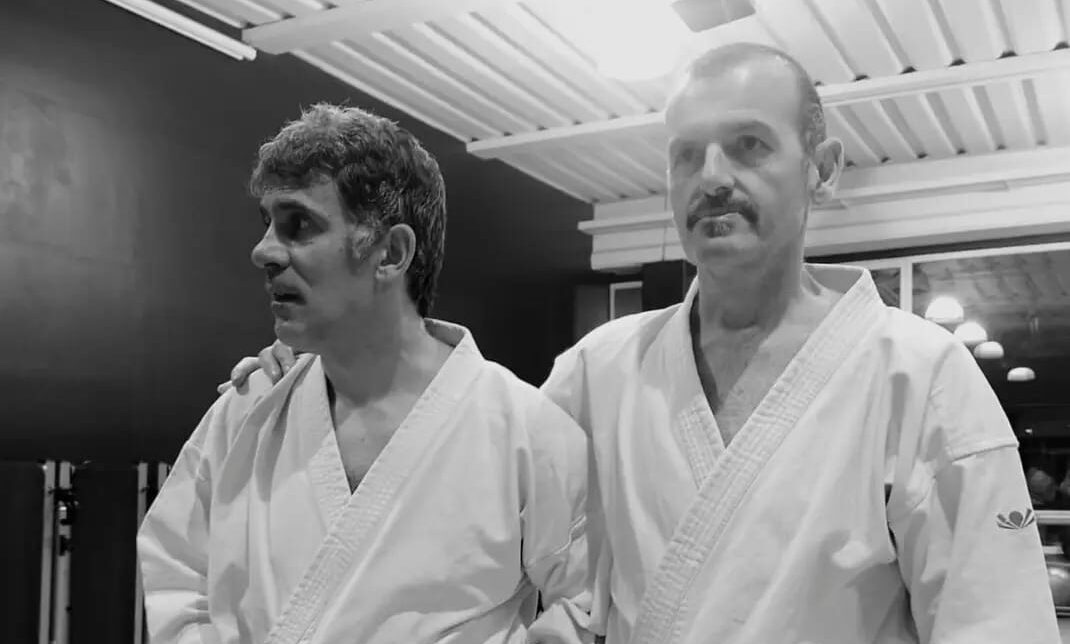
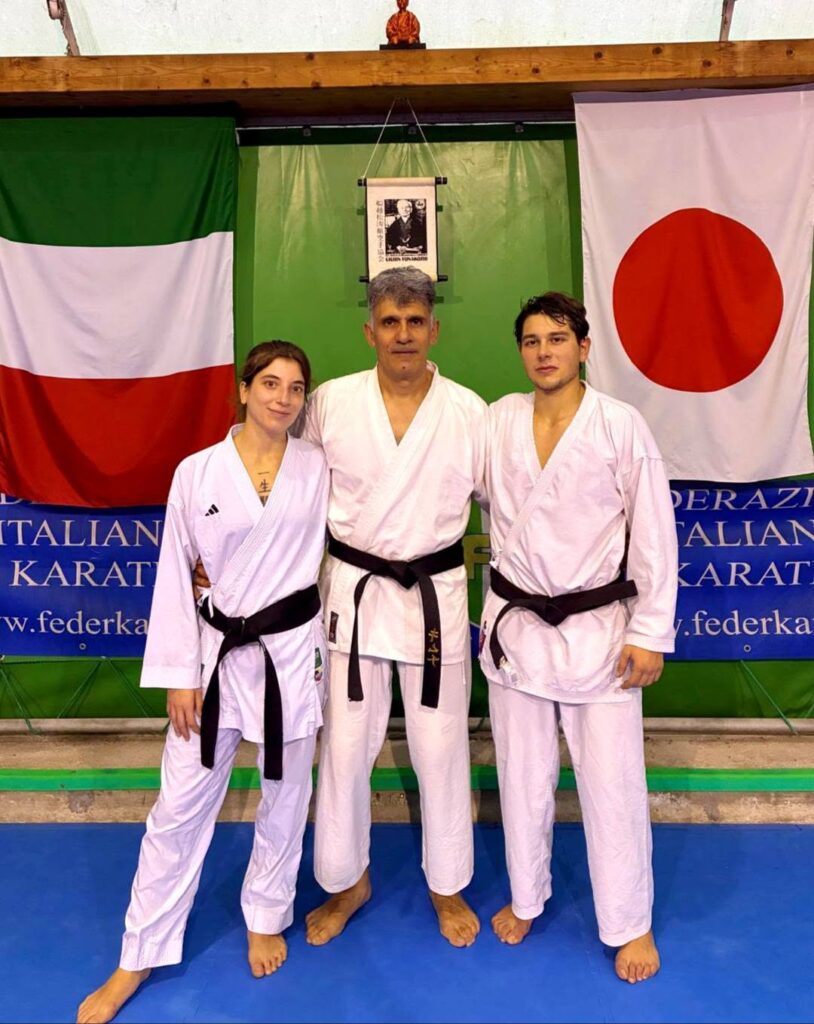
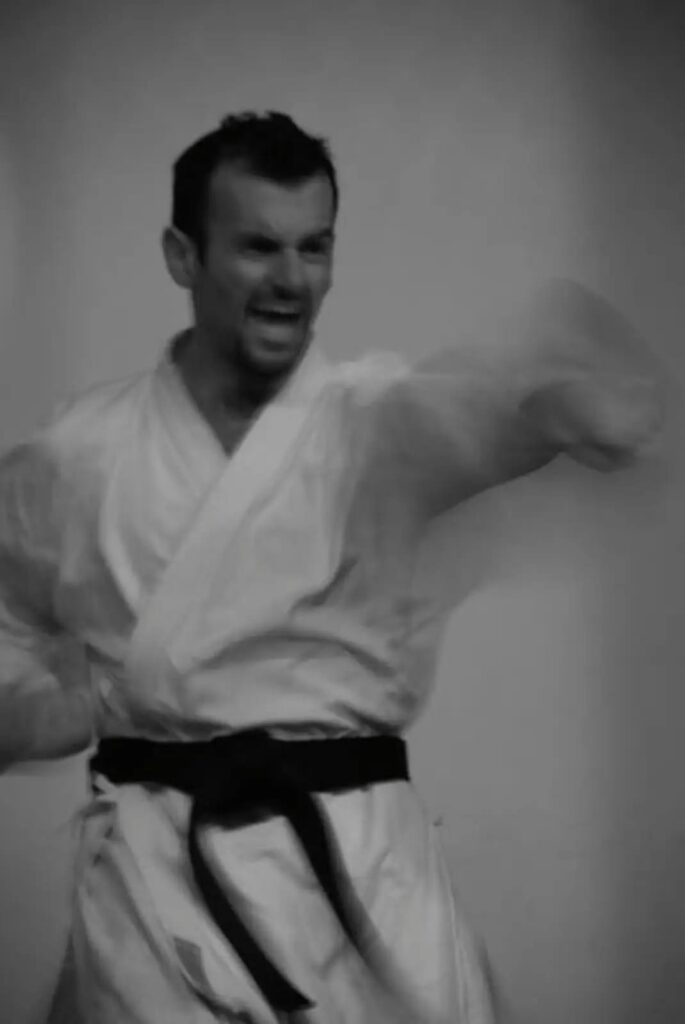
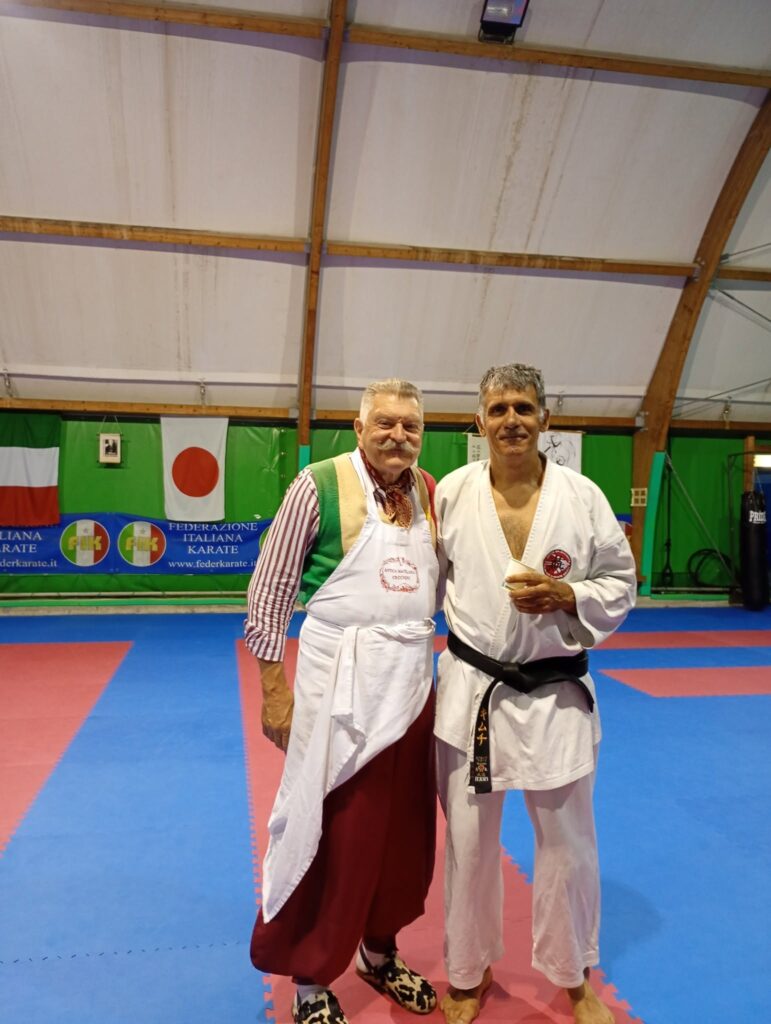
Discipline, respect, and inclusion: a journey to discover the Tzubame school and masters Michele Romano and Paolo Norberti, the guests of our latest video podcast.
The history of karate in this area goes a long way back. It took its first steps in the late 1960s thanks to the intuition and passion of master Oreste Minici, considered a true pioneer in Chianti.
Over time, the association experienced significant expansion, bringing this discipline far beyond its historic headquarters in Greve in Chianti, reaching Impruneta, Tavarnelle, Incisa Valdarno, and Montevarchi.
This network continues to grow, as master Paolo Norberti explains, recalling how his invaluable collaboration with the San Casciano gym began at a very specific moment: “My collaboration began in 2021, practically right after Covid. Master Maurizio Lodato, who was very busy with work, asked me to give him a hand managing the association.”
Approaching karate, however, means embarking on a journey of inner growth that goes far beyond athletic movement.
Master Romano shares a very touching personal anecdote about the origins of his passion, born from a desire for justice: “Ever since I was little, I always had a bit of a tendency to defend the weakest. Back then, we didn’t talk about bullying, but it existed even then.
As soon as I saw a bit of arrogance from the older kids, I would always jump in to defend the weaker ones.” Inspired by the charm of Bruce Lee movies, he found the tatami to be the ideal outlet to channel that energy.
The true core of this martial art lies in human values, an education that starts with the little things. “There is a real tradition handed down within the dojo,” Romano explains.
“Nowadays it is very useful from an educational standpoint for everyone. Just walking into the gym and greeting people: I’ve noticed that this good habit of respect has been lost a bit today. It means saying ‘I am here and you are here, we acknowledge each other’.”
This concept extends to the relationship with the more experienced peers, the Senpai, who have “the responsibility to teach and to set a good example.”
One of the great strengths of karate is its incredible accessibility, combined with the ability to break down prejudices.
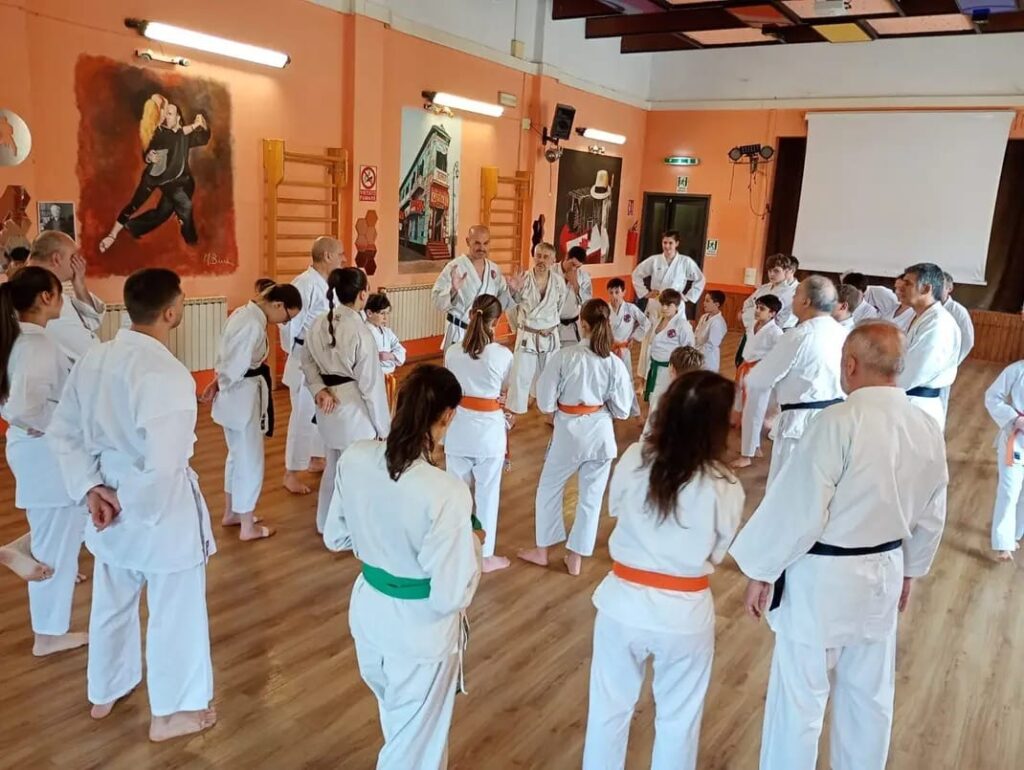
It is never too late, or too early, to wear a karategi. “You can easily start at any age,” Norberti assures, pointing out that in Florence there is even a course dedicated to the “over 60s” that offers great satisfaction in terms of physical and mental balance.
And for parents who fear that a martial art might make their children aggressive, Romano clarifies: “If a child is particularly lively and boisterous, coming to do this activity usually calms them down. There is a belief that combat sports are violent, but in reality, it’s a bit misunderstood.”
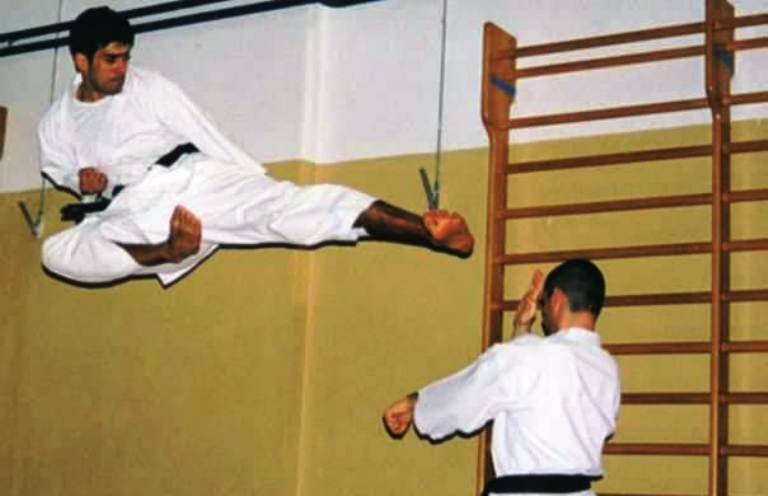
Although the school boasts top-level athletes and is preparing to cheer on young Olivia and Ettore, who are leaving for the World Championships in Koper, pure competitive fighting is not the ultimate goal.
Competition is seen as a means, not an end. “For me, the medal is a symbol, it’s a little treat to give the kids,” Romano confides.
“Behind it, there is incredible, formative work. There is a path to grow, both physically and psychologically. The important thing is to also accept the difficulties along the way, set small goals to improve, and find strength.”